Patriotic Candy PNGs for the 4th of July: High-Resolution Digital Designs You Can Use Right Away
Whether you're planning a backyard barbecue, launching a small-batch holiday merchandise line, or designing classroom decorations for Independence Day, patriotic candy PNGs offer a fun, flexible, and professional way to bring red, white, and blue spirit to your projects. These aren’t just clipart files — they’re carefully crafted, high-resolution digital assets optimized for real-world use. In this guide, we’ll walk you through what makes these 4th of July PNG files special, why resolution and transparency matter, how they empower both hobbyists and entrepreneurs, and what you need to know about licensing and usage rights.
What Exactly Is a Patriotic Candy PNG?
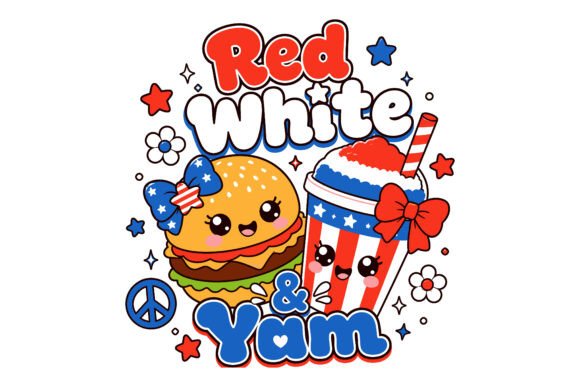
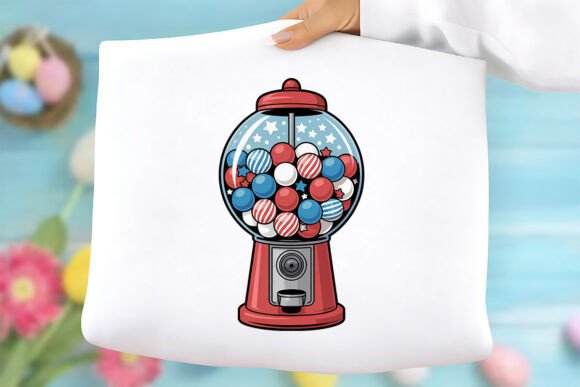
A Patriotic Candy PNG is a digital image file featuring festive, themed confectionery designs — think star-spangled lollipops, striped peppermints, fireworks-shaped gummies, or liberty bell–inspired chocolates — saved in the PNG (Portable Network Graphics) format. Unlike JPEGs, PNGs support transparent backgrounds, meaning the design floats cleanly over any color, pattern, or photo without a distracting white or black box. This makes them ideal for layering in graphic design software, printing on apparel, or adding to social media graphics.
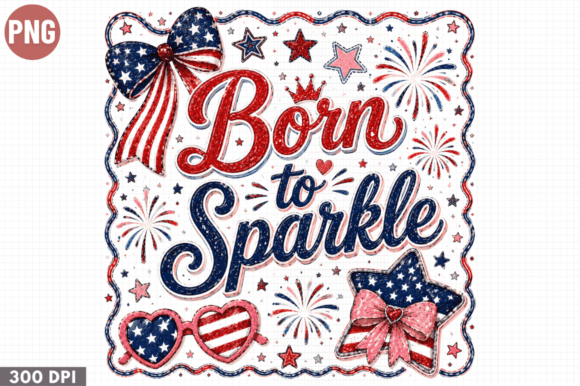
When paired with 4th of July PNG themes, these files often include classic American symbols: bald eagles, vintage fireworks, colonial typography, bunting banners, and of course — candy rendered in bold patriotic colors. But unlike generic stock images, premium versions are designed with intention: balanced composition, crisp edges, and thoughtful spacing that ensures clarity even when scaled down for stickers or up for wall decals.
Why 300 DPI Matters — More Than Just a Number
You’ll often see “300 DPI high resolution” listed as a key feature — and for good reason. DPI stands for dots per inch, and it’s the standard measure of print quality. A 300 DPI file contains enough pixel information to render sharply on physical products like t-shirts, mugs, tote bags, and custom invitations. If you try to print a low-resolution (e.g., 72 DPI) web image at 8×10 inches, it will appear blurry or pixelated. With 300 DPI, you get crisp detail — whether you’re heat-pressing a candy motif onto a kids’ camp T-shirt or screen-printing it onto a limited-run batch of patriotic cookie packaging.
Importantly, this resolution also supports scalability. Because the file is raster-based but built at professional print specs, you can resize it confidently within design tools like Canva, Adobe Photoshop, or Cricut Design Space — without losing fidelity — as long as you don’t exceed its native dimensions by extreme amounts.
Transparent Backgrounds: The Secret Weapon for Versatility
One of the biggest advantages of using a PNG over JPG or GIF is its built-in transparency support. That means no awkward white boxes around your candy icon — just the design itself, ready to drop seamlessly onto a navy-blue banner, a kraft-paper label, or a gradient social media post. This flexibility saves hours of manual editing, especially for creators managing multiple product mockups or seasonal campaigns.
For example, imagine designing a set of 4th of July party favors: you could place the same candy PNG over a printable cupcake topper template, a sticker sheet layout, and a digital invitation — all while maintaining consistent branding and visual polish. No cropping, no erasing, no guesswork.
Commercial Use Made Simple — With Clear Boundaries
Yes — you’re allowed to use this design for commercial purposes on physical items. That includes:
- T-shirts and tank tops sold at local craft fairs or online stores
- Mugs, tumblers, and glassware for holiday promotions
- Stickers and decals for laptops, water bottles, or planners
- Print-on-demand products like greeting cards, tote bags, or notebooks
- Classroom materials, bulletin board sets, or school event handouts
This permission removes a major barrier for small business owners, Etsy sellers, teachers, and DIY enthusiasts who want to celebrate the holiday authentically — without worrying about copyright strikes or licensing fees.
However, there are important limitations to understand. This is a digital product provided in PNG format only. It does not include SVG, EPS, AI, or layered PSD files — so if you need vector scalability for large-format signage or editable text elements, this isn’t the right asset. Also, reselling, sharing, or redistributing the digital file itself — whether via email, cloud storage, or third-party marketplaces — is strictly prohibited. Think of it like purchasing sheet music: you can perform the song publicly, but you can’t reprint and sell the score to others.
No Watermarks, No Hassles — Ready for Instant Download
Unlike free download sites that bury usable assets under logos or opaque terms, premium patriotic candy PNGs come clean and ready. There’s no watermark, no hidden attribution requirement, and no mandatory credit line (though giving a shout-out is always appreciated!). Once purchased, you receive an instant digital download — usually as a ZIP folder containing the PNG file — so you can start designing within minutes, not days.
This immediacy is especially valuable during peak holiday planning windows. Whether you’re finalizing a last-minute Facebook ad, prepping for a weekend farmers’ market, or helping students finish a patriotic art project before summer break, speed and simplicity matter.
Common Misconceptions — Clarified
Myth: “PNG = automatically editable.”
Truth: PNGs are raster files — great for display and printing, but not inherently editable like vector formats. You can’t easily change individual colors or reshape elements without advanced tools and some design skill.
Myth: “If it’s for commercial use, I can share it with my team.”
Truth: Commercial license typically covers one user or one business entity. Sharing across multiple designers or accounts may require an extended or multi-seat license — always check the specific terms.
Myth: “High DPI means it works perfectly for websites too.”
Truth: While 300 DPI ensures print excellence, web use benefits more from optimized file size and 72–150 DPI equivalents. Most design platforms automatically adjust resolution for screen display — so don’t worry about “overloading” your website with a 300 DPI file.
Bringing It All Together: Real-World Uses Across Contexts
From education to entrepreneurship, patriotic candy PNGs serve diverse needs:
- Teachers use them in lesson plans about U.S. history, create themed reading logs, or print reward certificates shaped like stars and stripes.
- Small-batch bakers incorporate them into custom labels for red velvet cupcakes or blueberry shortbread — reinforcing brand personality while tapping into seasonal demand.
- Event planners build cohesive decor kits: matching candy icons appear on banners, napkins, cupcake wrappers, and photo booth props.
- Social media managers animate them into Instagram Stories, overlay them on video backgrounds, or turn them into branded GIFs for community engagement.
In each case, the combination of thematic relevance, technical quality (300 DPI + transparency), and straightforward licensing empowers users to act quickly, create professionally, and stay compliant — all without needing a graphic designer on retainer.
So whether you're stocking up for next year’s celebration or launching a joyful, purpose-driven product line, a premium patriotic candy PNG isn’t just decoration — it’s a practical, ethical, and inspiring creative tool rooted in tradition and built for today’s digital-first world.